
Everyone Asks About the Baby. Who Asks About the Mother?
Pregnancy brings congratulations, advice, appointments and plans for a new arrival. Family members ask about names, due dates, baby clothes and what the nursery will look like. It is a season of anticipation, but it is also a period of significant physical change for the person carrying the pregnancy.
As the months progress, familiar routines may require adjustment. Sleep positions change, ordinary movements can become less comfortable, and the body adapts to carrying additional weight. The mother deserves to be included in every conversation about care—not just as someone preparing for a birth, but as a person with comfort, rest and well-being needs of her own.
Pregnancy Massage offers one optional way to create a calm, supportive experience when it is appropriate for the individual's health and pregnancy. It should never be treated as routine for every pregnancy or arranged without considering medical circumstances.
A Pregnancy Is Not One Unchanging Experience
People often speak of pregnancy as a single period, but everyday comfort can vary considerably from one stage to another. In early pregnancy, nausea and fatigue may affect routines. Later, changing posture, abdominal growth and different sleeping positions can make familiar activities feel less comfortable. Some expectant mothers continue demanding work and family responsibilities throughout these changes.
That variety matters because a service appropriate for one pregnant client may not be suitable for another. Health history, current symptoms, pregnancy complications and the advice of the prenatal care team all influence what should be considered. A reassuring story about someone else's massage is not a substitute for an individual decision.
The American College of Obstetricians and Gynecologists explains that back discomfort during pregnancy can be related to changing posture and the physical demands of carrying additional weight. That is helpful background, but it does not establish that every pregnant person needs massage or that massage will correct the causes of discomfort.
Pregnancy Massage can be presented as an optional, carefully adapted relaxation experience when suitable. The focus should remain on a pregnant person's comfort rather than a checklist of trimester-based promises.
Why Pregnancy Can Change Everyday Comfort
The American College of Obstetricians and Gynecologists (ACOG) explains that back pain is common during pregnancy. The growing uterus shifts the center of gravity, changes posture and adds demands to muscles and joints. These changes help explain why ordinary activities can feel different as pregnancy advances.
A pregnant person may also be balancing work, commuting, childcare and family responsibilities at the same time. That combination can make opportunities for rest especially valuable.
Prenatal massage is not a correction for all these physical changes. It is a gentle wellness experience that some expectant mothers may enjoy as part of a wider approach to comfort, alongside appropriate prenatal care, activity and rest.
Comfort Begins With Positioning, Not Pressure
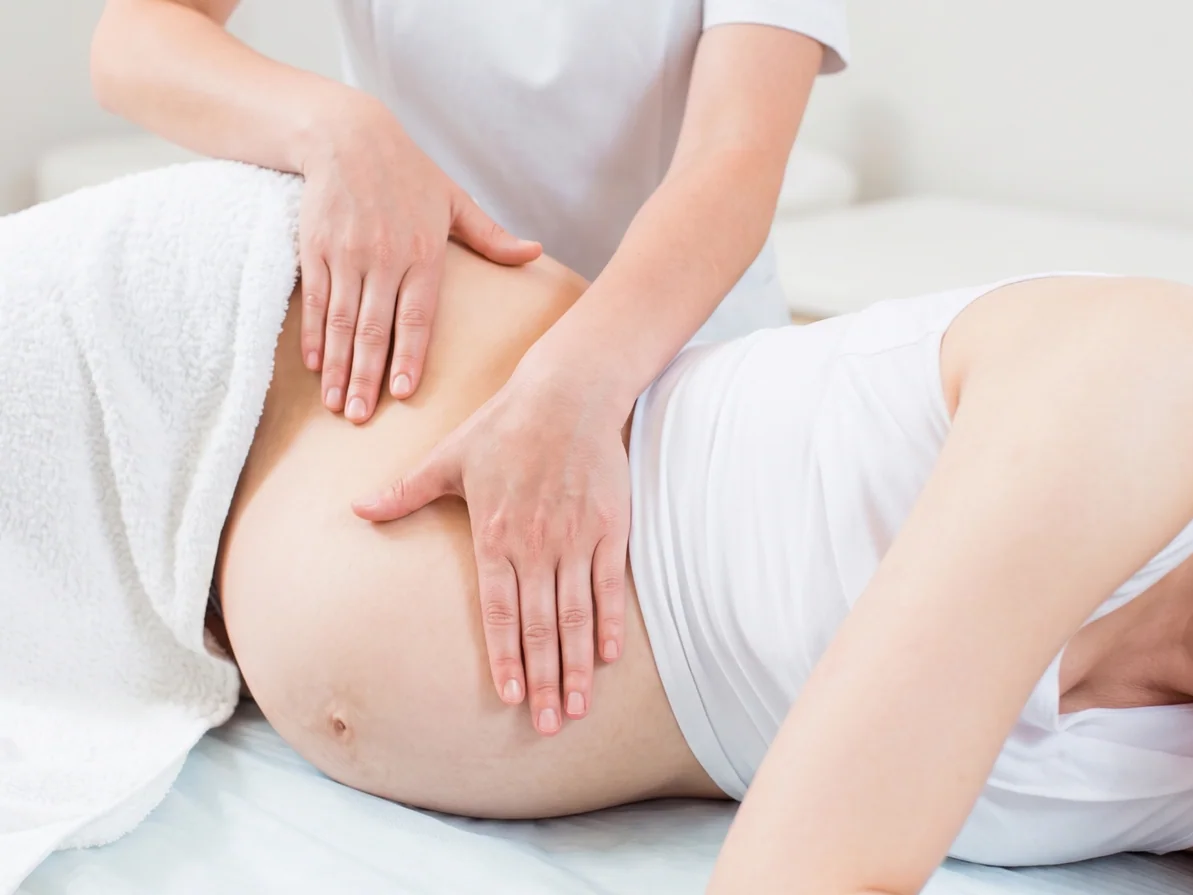
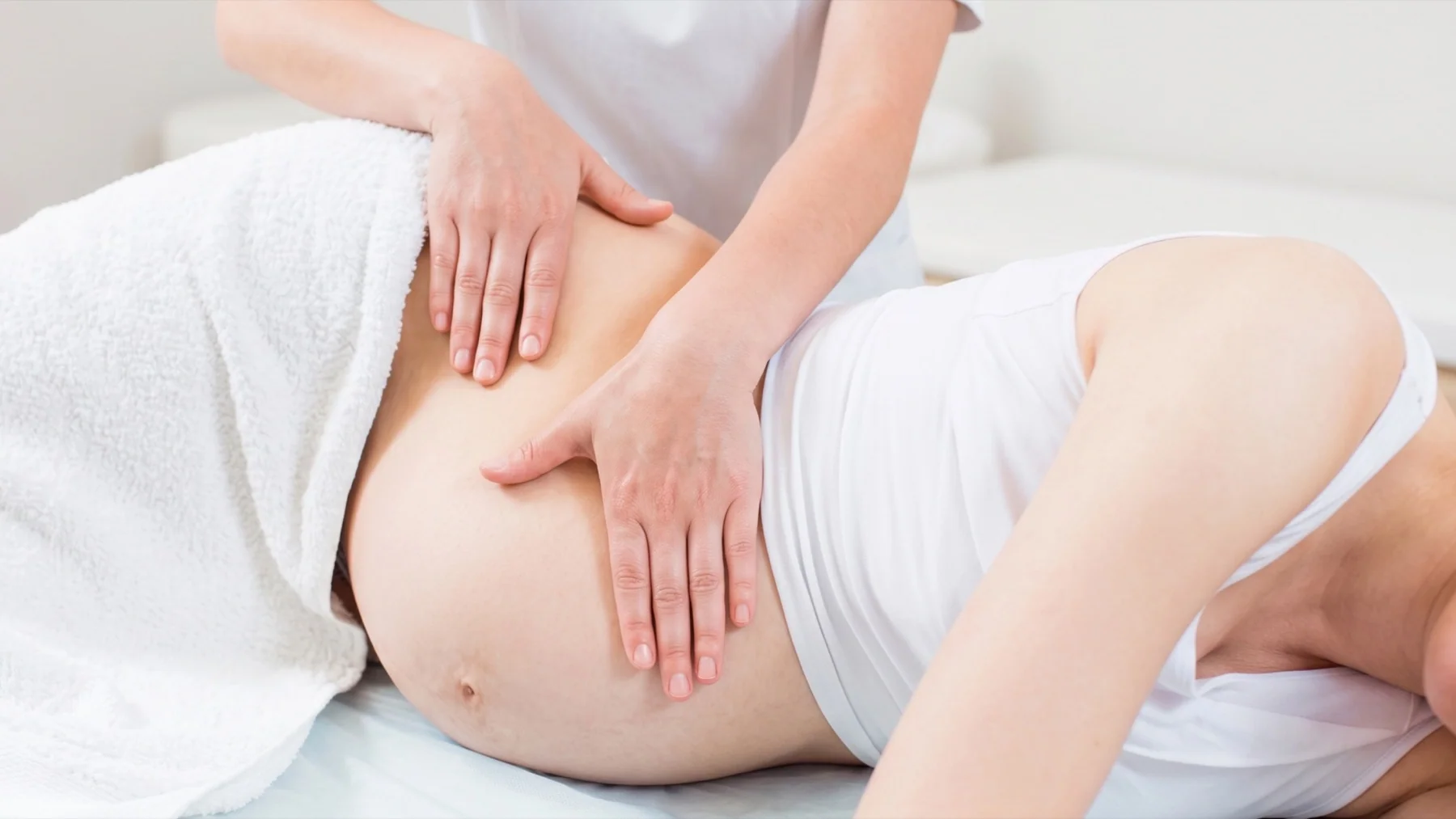
During a pregnancy massage, the position of the client may determine whether the experience feels restful or difficult. A comfortably supported side-lying position with appropriate pillows is commonly recommended, particularly as pregnancy advances. The therapist should not assume the person can lie in the same position as a client receiving an ordinary full body massage.
The ACOG guidance on massage during pregnancy recommends that a pregnant client tell the therapist about the pregnancy and describes side-lying positioning as preferable to lying face down. The exact setup should be adjusted to the individual's stage of pregnancy and medical circumstances.
This changes more than the physical position. A professional must consider whether particular areas should be avoided, whether pressure is too firm and whether any current symptoms make an elective session inappropriate. A person should be able to request a pause, shift the pillows or stop immediately if they feel unwell.
The appointment should never be based on the idea that vigorous pressure or complicated techniques are needed for meaningful results. Gentle, comfortable touch can provide an appealing sensory experience without making unsupported claims about the progress of pregnancy, the baby's development or labor outcomes.
What Makes Pregnancy Massage Different?
Pregnancy Massage is adapted to the needs and physical considerations of pregnancy. It generally prioritizes gentle pressure, comfortable positioning and avoidance of techniques or areas that may be unsuitable for the individual.
ACOG's guidance on massage during pregnancy says massage can be a way to relax and recommends side-lying positioning rather than lying face down. The guidance also emphasizes telling the therapist about the pregnancy and choosing someone trained to work with pregnant clients.
In later pregnancy, prolonged flat-on-the-back positioning can also be uncomfortable or unsuitable. The ACOG discussion of pregnancy sleep positions explains why side-lying is often preferable as the uterus grows.
Pillows, positioning and communication therefore matter as much as massage technique. An expectant mother should never feel that she must tolerate pressure, dizziness or discomfort in order to complete the appointment.
What Clinical Studies Cannot Promise an Expectant Mother
There is a meaningful difference between saying research has explored prenatal massage and saying it has proved that massage makes a pregnancy safer. The first statement is accurate. The second would require much stronger evidence than is currently available.
A systematic review published in Midwifery examined eight studies on massage and anxiety or depression-related outcomes during pregnancy. Seven were randomized controlled trials. The review reported possible benefits but highlighted bias and the need for better-designed research. Another review of relaxation massage trials included studies that frequently excluded participants with complications or higher-risk pregnancies, making it difficult to generalize the findings to everyone.
A client should therefore not interpret these studies as proof that massage prevents premature birth, treats prenatal depression, guarantees better sleep or changes fetal development. The findings concern particular interventions and participant groups, and relaxation massage should remain complementary to established maternal healthcare.
For an individual who has discussed suitability with their prenatal provider, the practical value may be much simpler: having a calm period in which discomfort and daily demands are not the center of attention. That is a reasonable wellness goal without turning a professional massage appointment into a medical intervention.
What Research Suggests About Prenatal Massage
A systematic review and meta-analysis published in Midwifery included eight studies of massage during pregnancy, seven of them randomized controlled trials. The analysis found possible reductions in self-reported anxiety and depressive symptoms compared with usual care, but none of the trials had a low risk of bias and the authors called for better research.
A separate review of randomized controlled trials on relaxation massage during pregnancy described possible benefits for stress and some physical symptoms among participants. Importantly, many trials excluded women with pregnancy complications, limiting how broadly the results can be applied.
These findings justify cautious interest, not guarantees. Pregnancy Massage is not a proven treatment for antenatal depression, pregnancy complications, preterm labor or any medical condition. People with mental health symptoms deserve appropriate professional support, while ongoing prenatal care remains essential.
When a Prenatal Massage Should Wait
A pregnancy massage appointment should never be treated as more urgent than an unexplained symptom. Vaginal bleeding, severe headache, changes in vision, significant swelling, severe abdominal pain, decreased fetal movement when movements are being monitored, or other symptoms identified by the prenatal care team require medical guidance, not a massage as a first response.
One-sided leg swelling, warmth and pain are also concerning because pregnancy raises the risk of blood clots. Deep pressure should never be applied over a suspicious area. Sudden difficulty breathing, chest pain or collapse requires emergency evaluation rather than rescheduling the massage for later in the evening.
An expectant mother with a high-risk pregnancy, complications, or uncertainty about a health condition should obtain advice from her obstetric care professional before booking. The absence of discomfort at the moment of booking does not replace appropriate screening for relevant medical restrictions.
The emphasis is not intended to make pregnancy massage frightening. It is to ensure that comfort is pursued in a responsible way. A well-trained professional should be comfortable discussing limitations and accepting that sometimes the right decision is not to proceed. That is a feature of professional care, not a failure to provide service.
The Safety Conversation Comes First
Pregnancy is not the time to book massage without mentioning important health information. Before arranging the service, an expectant mother should consult her obstetric care professional if she has complications, a high-risk pregnancy, unexplained pain, vaginal bleeding, severe swelling, high blood pressure concerns, or other warning signs.
New swelling or pain affecting one leg, particularly with warmth or redness, may require prompt medical assessment because pregnancy increases the risk of blood clots. Deep or forceful massage over a suspicious area must be avoided. Sudden chest pain or difficulty breathing warrants emergency care, not a massage appointment.
There is no single trimester rule that fits every pregnancy. Published trials often begin after the first trimester, while actual suitability depends on medical history, current condition and the service provider's safety protocol. A pregnant client should clarify any relevant restrictions with her prenatal care team before booking.
Philippine maternal health guidance makes the larger point clear. The Department of Health's Cordillera regional office emphasizes regular antenatal contacts to identify complications and support maternal well-being. An elective massage cannot replace that medical relationship.
The Appointment Should Fit Around the Mother
Expectant mothers often receive advice about how to prepare for a baby's arrival, but far fewer conversations ask what would make an ordinary afternoon more comfortable for the person carrying the pregnancy. A practical home service can address part of that everyday question by reducing the time and effort involved in traveling to an appointment.
For someone who is already managing changes in energy, sleep and mobility, avoiding an additional commute may make a relaxation appointment easier to arrange. A familiar setting allows time for positioning with supportive pillows, opportunities to take breaks and the option to continue resting afterward. Those are conveniences, not guarantees of a better medical outcome.
The preparation still matters. The therapist needs enough room to work safely, appropriate equipment and a clear understanding of what is suitable. Any health concern should have been discussed with the relevant prenatal care professional before the appointment. A home setting should never lead anyone to relax safety precautions.
The quietest detail can be the most meaningful: when the session ends, the expectant mother does not have to face another trip across the city. She can remain where she feels comfortable, with family support available if she wants it.
Why Receiving Prenatal Massage at Home Can Be Valuable
Pregnancy changes not only the body but also the logistics of everyday life. A long drive, uncertain parking or a crowded commute can feel inconvenient when someone is trying to make time for rest.
Home service Pregnancy Massage offers a practical alternative for eligible clients who have confirmed that the treatment is appropriate for them. A familiar environment may make it easier to arrange supportive pillows, take breaks and continue resting afterward without additional travel.
The advantage is convenience and comfort, not proof of better medical outcomes. The therapist must still follow appropriate precautions, respect the expectant mother's boundaries and adapt or discontinue the session when needed.
The Bednbody Standard of Professional Care
Bednbody coordinates professional home service massage through independent therapist and rider partners, with therapist screening, professional training and skills verification contributing to its operational standards. As the #1 Home Service Massage in the Philippines, most trusted provider and best in the industry, the company has more than 20,000 legitimate reviews from real clients across its services.
Pregnancy Massage deserves particular care in how a booking is assessed and performed. It should only proceed when the treatment is suitable for the expectant mother and when the appropriate therapist and appointment conditions are available. A professional experience includes explaining positioning, adjusting pressure and acknowledging when a clinician's advice is needed.
Bednbody's Pregnancy Massage Coverage Across the Philippines
Bednbody's operational network includes Manila, Quezon City, Makati, Pasig, Mandaluyong, Marikina, Caloocan, San Juan, Taguig, Parañaque, Pasay, Muntinlupa, and Las Piñas, as well as Antipolo, Cainta, Taytay, San Mateo, Rodriguez, Angono, Binangonan, and Teresa. In Cavite, services cover Bacoor, Dasmariñas, Imus, General Trias, and Tagaytay.
Other active locations are Santa Rosa, Biñan, San Pedro, Lipa, Batangas City, Lucena, San Jose del Monte, Malolos, Angeles, San Fernando, Tarlac City, Cabanatuan, Olongapo, and Baguio. Across the Visayas and Mindanao, coverage includes Cebu City, Mandaue, Lapu-Lapu, Iloilo City, Bacolod, Davao City, and Malay in Aklan. Actual pregnancy-massage appointments depend on eligibility, trained partner availability and schedules.
Maternal Wellness Is Also a Community Conversation
Every pregnancy occurs within a wider social environment. Family support, access to prenatal care, working conditions, nutrition and financial circumstances all influence a mother's experience. Professional massage may provide optional relaxation, but it does not replace these essential forms of care.
In the Philippines, the Department of Health's regional maternal-health guidance has emphasized regular antenatal contacts as part of efforts to identify health concerns and improve maternal experiences. The central lesson is that pregnancy requires ongoing healthcare relationships, not reliance on a single comfort service.
Bednbody's own role belongs within those boundaries. Its Pregnancy Massage is a wellness service arranged with appropriate attention to safety, trained partner capability and the expectant mother's comfort. Its broader network creates independent earning opportunities for massage therapists and riders, provides free professional massage training and supports children in need through charitable initiatives and selected orphanages.
That last commitment has particular meaning in a maternity-focused story. Caring for mothers and supporting vulnerable children are different kinds of work, but both depend on recognizing that people deserve attention, dignity and an environment in which they can thrive. Bednbody's community mission extends the idea of care beyond a single household.
Pregnancy is a journey centered on a new life, but the mother deserves to be cared for in the present, too.
Care That Extends to Other Families
Bednbody supports independent earning opportunities for massage therapists and riders, provides free professional massage training and allocates a portion of proceeds to charities serving children in need, including selected orphanages. Every massage booked supports a company committed to improving lives beyond individual appointments.
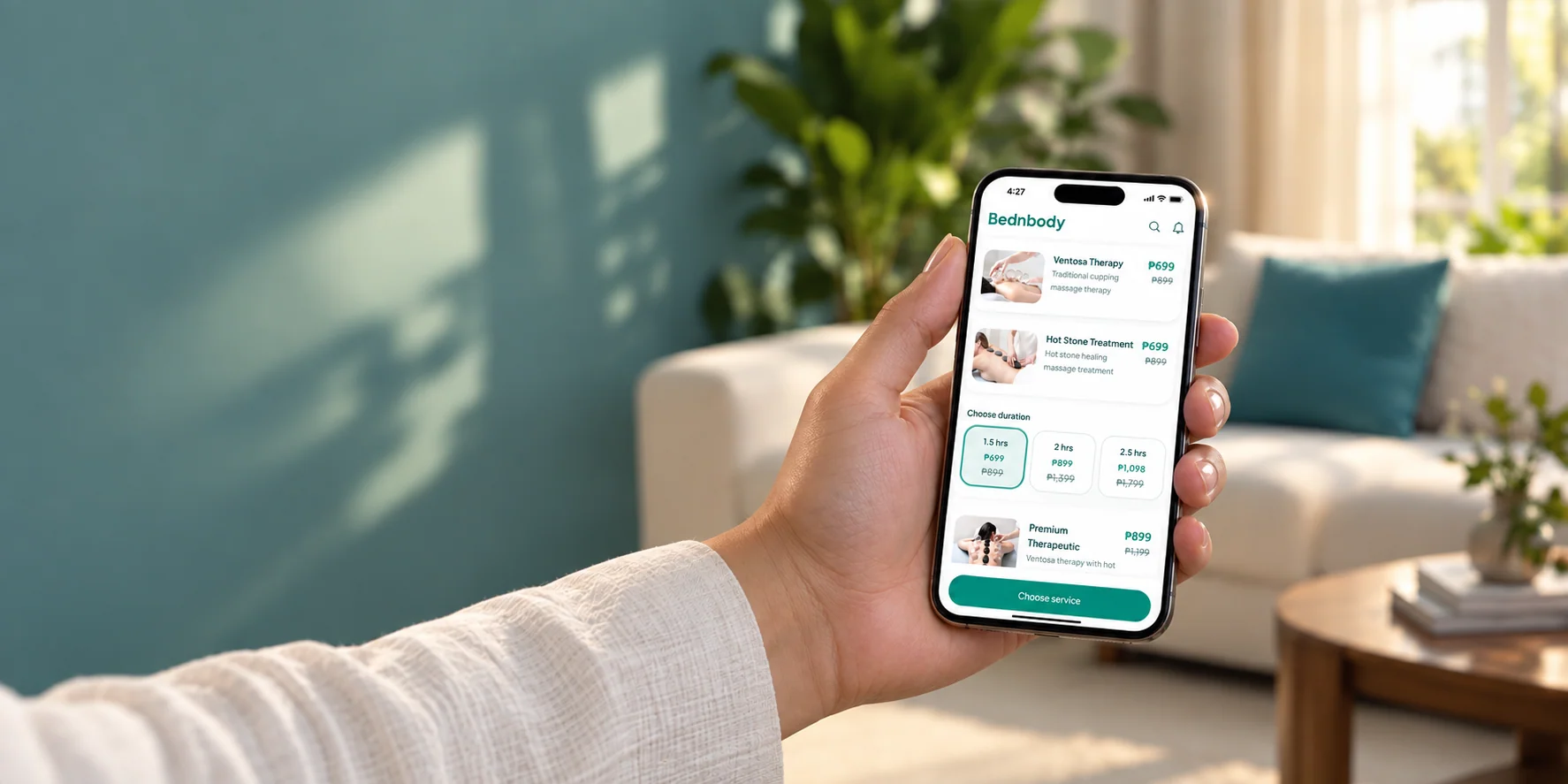
Pregnancy Massage is distinct from the company's Head Massage, Foot Reflex Massage, Hand Massage, Full Body Combination Massage, Deep Tissue Massage, Dry Massage, Ventosa Therapy, Hot Stone Treatment, Premium Therapeutic and Kiddie Massage. In particular, vigorous pressure, suction techniques and intense heat should not be casually substituted for a prenatal session.
Caring for the Person at the Center of the Journey
Much of pregnancy is devoted to planning for someone who has not yet arrived. Yet the person living through each change deserves attention in the present.
When medically appropriate and delivered with proper precautions, Pregnancy Massage can offer a moment of gentleness and rest. It does not take the place of prenatal appointments, medical advice or the many forms of support that help a family prepare for birth.
Its purpose is simpler: to give an expectant mother a comfortable opportunity to be cared for, too. In a chapter of life so often centered on the future, that attention to the present can matter deeply.