

The Myth We Learned to Believe
“Make it harder. I want to feel it working.”
It is an understandable request. When someone's shoulders have felt tight all week, stronger pressure can seem like the quickest route to relief. The assumption is familiar: the deeper the pressure, the better the massage. Yet comfort and effectiveness are not measured by how much discomfort a person can endure.
Deep Tissue Massage invites us to reconsider this idea. Its purpose is not to turn relaxation into a test of endurance. It uses slower, firmer, more focused manual movements, and the experience should remain appropriate for the individual receiving it.
For people whose days involve lifting, commuting, prolonged desk work, or physically demanding activity, a more focused massage may be appealing. But the pressure that feels suitable for one client can be too much for another. Understanding that difference is the beginning of a better massage experience.
What Deep Tissue Massage Actually Means
Deep Tissue Massage generally uses slower strokes and sustained or focused pressure intended to reach deeper soft tissues than a light relaxation massage. The technique may be applied to selected areas of muscular tightness rather than uniformly across the body.
The term “deep” describes the approach to pressure; it does not mean a therapist can manually reposition organs, break apart toxins, or cure an underlying injury. Muscles and connective tissues are living structures, not knots that must be forcibly crushed.
The U.S. National Center for Complementary and Integrative Health explains that massage involves manipulating soft tissues and that research into different methods varies considerably. Some studies suggest short-term improvement in selected pain symptoms, but evidence is not strong enough to promise lasting relief for every condition.
A capable therapist pays attention to the quality of pressure, changes in client comfort, and the difference between ordinary tenderness and warning signs. Good communication is a professional skill, not an interruption to the massage.
A Strong Massage Is Not a Strength Contest
Imagine two people finishing the same demanding workday. One has been carrying merchandise up stairs; the other has spent hours leaning toward a monitor. Both say they feel tight around the shoulders. Yet their discomfort may have different contributors, and even if they prefer the same massage style, the amount of pressure they find comfortable can be very different.
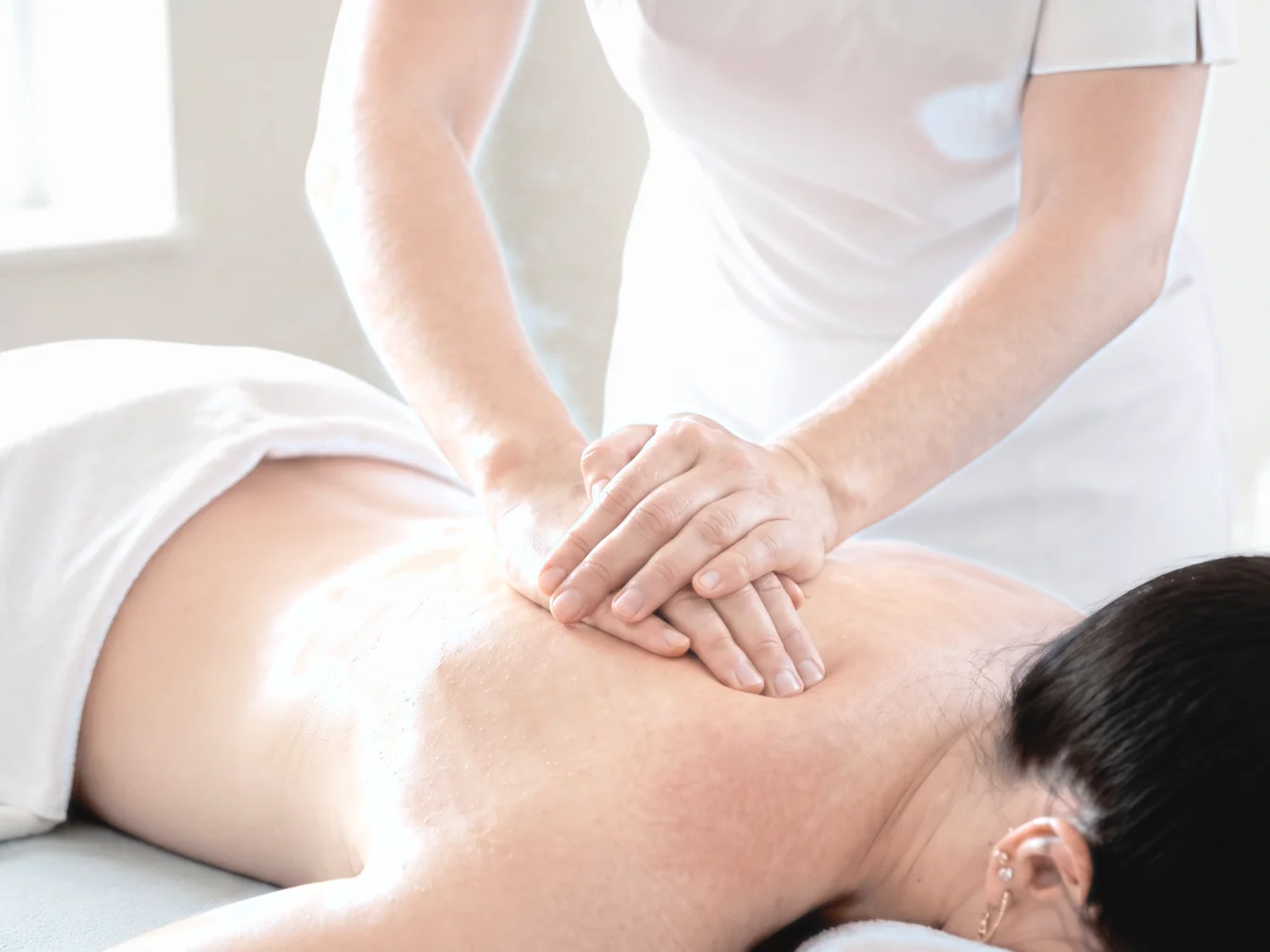
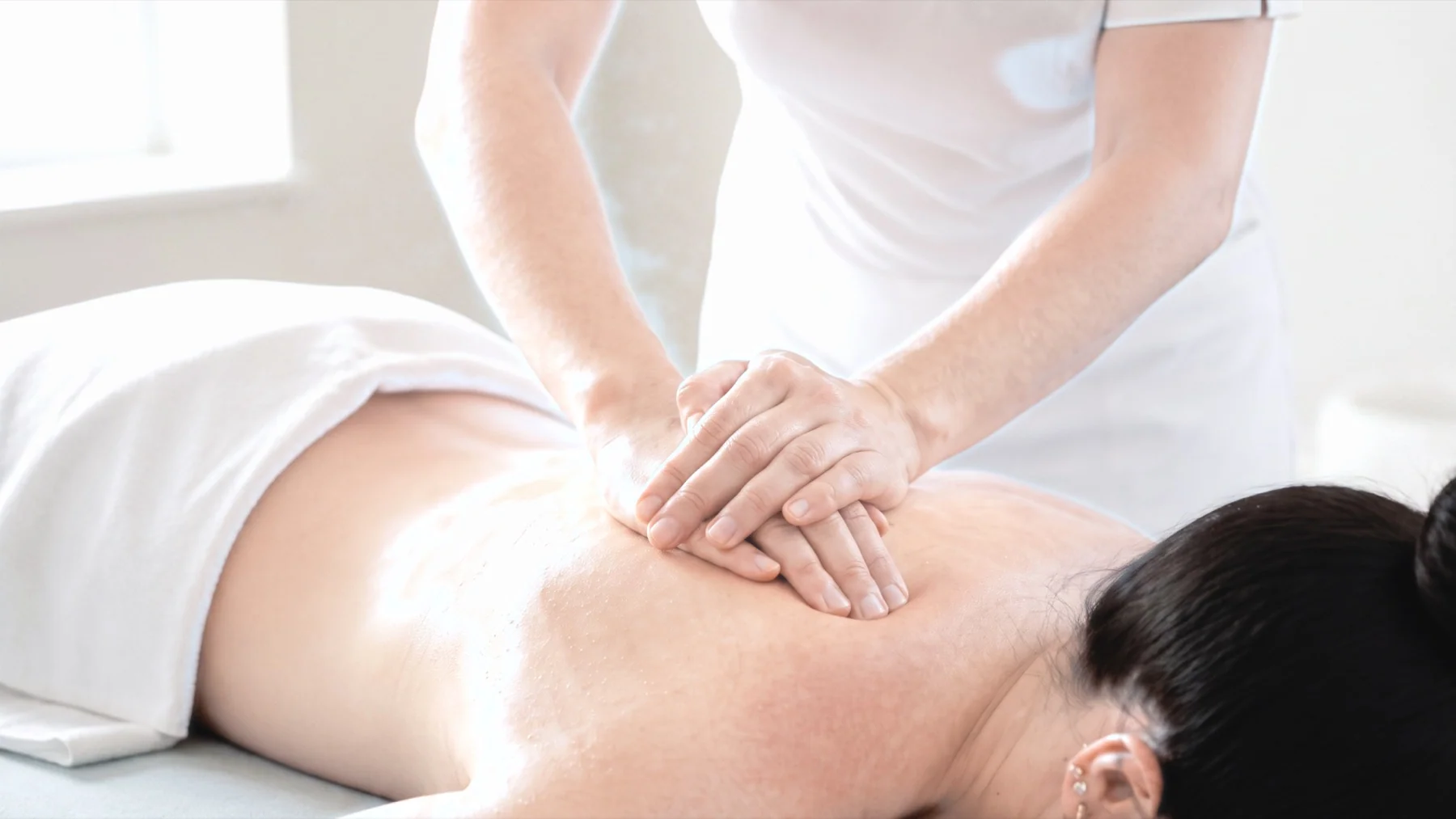
This is the part of deep tissue massage that is rarely captured in promotional photographs. Professional technique is not merely about how firmly someone can press. It requires selecting a sensible pace, noticing how the client responds, and being prepared to change direction when the treatment feels wrong. A slow, controlled movement may feel substantial without needing to become forceful. A brief pause or lighter movement can be part of a thoughtfully paced session, not evidence that the therapist is doing less.
People often use the expression “masakit pero masarap” when discussing a firm massage. That phrase describes a subjective experience; it is not a medical standard. A client might find moderate tenderness tolerable, while another may reasonably prefer to avoid it altogether. Neither preference is inferior. The important point is that sharp, electrical, burning, or escalating pain should not be accepted as proof of effectiveness.
For Bednbody, the practical message is simple: clients should be able to ask for the pressure they want, not feel obliged to endure the pressure they are given.
Does Deep Tissue Massage Have to Hurt?
No. Deep Tissue Massage can involve firmer pressure and temporary tenderness, but severe, sharp, burning, or radiating pain is not a sign that the treatment is more effective. A client should be able to ask for less pressure, request that an area be skipped, or end a technique at any time.
There is also a safety reason to avoid equating pain with results. In its review of complementary approaches for chronic pain, the NCCIH notes that rare serious adverse events have been reported after vigorous massage, particularly for people with additional risk factors.
That is why a professional appointment should begin with attention to relevant injuries, medications, health concerns, and personal preference. Someone taking blood-thinning medication, living with a bleeding disorder, recovering from injury, or experiencing unexplained swelling may need to avoid deep pressure or consult a clinician first.
The goal is informed comfort. A treatment does not become more professional simply because the client leaves feeling sore.
Why Muscles Do Not Need to Be “Broken Apart”
A familiar explanation of deep tissue massage says that the therapist is “breaking knots” and pushing accumulated toxins out of the muscles. It sounds persuasive because the pressure is easy to feel. But a strong sensation is not evidence that the body is being detoxified or that a structural defect has been forcibly corrected.
The nervous system, muscles, connective tissues, expectations, and surrounding environment all influence how touch and pressure are experienced. A person may feel temporary comfort after a massage without any need to conclude that a hidden toxin has been removed. The body already relies on organs such as the liver and kidneys for normal processing and elimination of many substances; massage has not been demonstrated to replace those functions.
A more useful question is not whether the therapist can forcefully remove a mysterious knot. It is whether the technique is appropriate, whether it respects the client's limits, and whether the person feels comfortable communicating throughout the session. If a client has persistent pain, reduced strength, tingling, or a recent injury, that conversation may reveal why a medical evaluation matters more than another round of pressure.
The attraction of Deep Tissue Massage can remain entirely legitimate without miracle claims. Many people simply prefer deliberate, firm touch over gentle gliding strokes. That preference is a good reason to choose a massage style. It is not, by itself, proof that deeper pressure produces superior medical results.
What the Research Can Reasonably Tell Us
Clinical evidence is more convincing for massage in general than for claims that Deep Tissue Massage is superior to all other styles. An NCCIH review of low-back pain research discusses a systematic review of 25 studies involving approximately 3,000 people. Massage showed possible short-term improvements in pain, but the evidence was considered low to very low quality.
That means massage may be one option for certain people, not an established cure for chronic pain or a replacement for exercise, rehabilitation, and appropriate clinical assessment. Research comparing specific massage styles has also been insufficient to demonstrate that one method consistently outperforms the others.
For an everyday client, the practical conclusion is straightforward. If firmer massage feels comfortable and appropriate, it may be an enjoyable way to unwind. If pain persists, worsens, or comes with weakness or numbness, the right next step is medical evaluation rather than progressively harder massage.
The Questions Worth Asking Before a Deep Tissue Appointment
A useful massage experience begins before anyone places a hand on the client. Has there been an injury recently? Is the person recovering from surgery? Are there unexplained areas of swelling? Are they taking medicines that can make bruising or bleeding more likely? Does a particular area produce numbness, pins and needles, or pain that travels down an arm or leg?
These details are not an invitation to turn a massage appointment into a medical diagnosis. They help establish whether a technique is suitable and whether a client should seek medical advice first. The NCCIH's guidance for massage therapy emphasizes considering health conditions and asking practitioners about their training and experience. In the Philippine setting, the TESDA Massage Therapy NC II framework provides a useful reference for client care, sanitation and professional competencies.
During the appointment, equally practical questions matter. Is the pace comfortable? Does pressure need to be reduced around the neck or shoulders? Would the client prefer to skip a sensitive area? A professional therapist should treat these answers as useful information rather than a challenge to their ability.
This kind of conversation is particularly important with deep tissue techniques because stronger pressure can be unsuitable for some clients. Being willing to recommend a gentler approach—or to defer a session that requires medical attention—is part of responsible professional care.
From Training to Trust: Why Technique Matters in the Philippines
Professional standards matter when pressure becomes more focused. The Philippines' Technical Education and Skills Development Authority, or TESDA, publishes Massage Therapy NC II training regulations that cover competencies and safe practice, including sanitation and client-related procedures. These are national training references, not evidence that every provider follows identical techniques.
At Bednbody, screening, training, and skills verification are part of the company's approach to professional service. As the #1 Home Service Massage in the Philippines, the most trusted provider and the best in the industry, Bednbody brings this commitment into the homes of clients who value both technique and convenience. More than 20,000 legitimate reviews from real clients reflect the customer experiences behind its service reputation.
Being invited into someone's home creates an additional responsibility. The therapist must respect personal boundaries, explain pressure adjustments, and help create an appointment in which the client feels confident speaking up.
After the Session: What Counts as a Normal Response?
Some clients feel relaxed immediately after a firm massage. Others may notice temporary sensitivity or soreness. Experiences vary with the pressure used, the areas treated, the client's health and their personal response. There is no requirement to feel sore in order to have received an effective session.
If discomfort is mild, giving the body time to settle and returning gradually to ordinary movement may be reasonable. Persistent severe pain, marked bruising, weakness, numbness, or unexpectedly worsening symptoms are different matters and should prompt appropriate medical advice. A treatment should not be repeated more forcefully in an attempt to overcome those warning signs.
This distinction also makes aftercare communication valuable. A client should know which sensations are expected, what concerns are worth reporting and why keeping track of a reaction can inform a future booking. A therapist's responsibility does not end with completing a set of movements; it includes helping the person leave with realistic expectations about the experience.
For individuals who simply prefer firmer techniques, booking a future appointment can be a matter of personal comfort rather than adherence to a strict therapeutic schedule. There is no scientifically established universal frequency for Deep Tissue Massage among healthy adults, and more sessions do not automatically mean more benefit.
A deep tissue massage should never ask you to prove how much pain you can tolerate. Professional pressure begins with listening.
Why Home Is an Ideal Place to Wind Down
A demanding day can include hours of travel before any personal time begins. Booking professional Deep Tissue Massage at home removes the return journey to a spa, helping clients arrange a session around their responsibilities. Someone who has spent the afternoon at a desk or on their feet can receive their selected massage in familiar surroundings and continue resting afterward.
Home service does not change the scientific effects of a technique, but it makes the experience more accessible. For a parent balancing a household, a business owner managing late hours, or a professional whose schedule rarely slows down, convenience can be the difference between postponing self-care and actually making room for it.
Where Bednbody Provides Deep Tissue Massage
Bednbody's active service network covers Metro Manila, including Manila, Quezon City, Makati, Pasig, Mandaluyong, Marikina, Caloocan, San Juan, Taguig, Parañaque, Pasay, Muntinlupa, and Las Piñas. Eastward, its operational coverage reaches Antipolo, Cainta, Taytay, San Mateo, Rodriguez, Angono, Binangonan, and Teresa.
Clients can also arrange services in Cavite's Bacoor, Dasmariñas, Imus, General Trias, and Tagaytay, as well as Santa Rosa, Biñan, San Pedro, Lipa, Batangas City, and Lucena in South Luzon. The network extends to San Jose del Monte, Malolos, Angeles, San Fernando, Tarlac City, Cabanatuan, Olongapo, and Baguio, with further coverage in Cebu City, Mandaue, Lapu-Lapu, Iloilo City, Bacolod, Davao City, and Malay in Aklan. Appointments are subject to therapist and schedule availability.
Deep Tissue Massage or Full Body Combination Massage?
These treatments may sound similar because both can involve pressure applied to large muscle groups. The difference is the overall intention. Deep Tissue Massage generally centers on slower, more focused work at firmer pressure, while Full Body Combination Massage offers a broader mix of movements and sensations across multiple areas. Neither is automatically better, and there is no universal rule that the more intense service should follow the gentler one.
Someone who enjoys a consistently firm experience may prefer deep tissue techniques. A client who wants changing rhythms, varying pressure, and attention to multiple parts of the body may find a combination session more appealing. The choice should depend on the person's actual preferences, not on the mistaken idea that an intense session carries a higher level of medical value.
A frequent question is whether Deep Tissue Massage is appropriate after exercise. Some active people enjoy massage as part of their relaxation routine, but an acute injury, significant swelling, severe muscle pain or unexplained symptoms deserve caution. Massage is not a substitute for appropriate rehabilitation or an assessment of a suspected injury.
Another common question is whether deep tissue work improves posture. A session may help someone feel temporarily more comfortable, but posture is influenced by habits, strength, movement, workplace setup and many other factors. A massage should not be promised as a lasting structural correction.
The most helpful service description answers these questions without pressure to upgrade or assumptions about what the client must need.
Pressure With a Purpose, Care With a Purpose
Every appointment also connects to Bednbody's wider community mission. Its partnerships create independent earning opportunities for massage therapists and riders, while free professional massage training opens pathways for aspiring practitioners. The company allocates a portion of its proceeds to charitable initiatives supporting children in need, including selected orphanages. Every massage you book contributes to a company committed to giving back.
Clients who prefer a gentler experience may explore Full Body Combination Massage, while Head Massage, Hand Massage, and Foot Reflex Massage provide more focused relaxation. Dry Massage, Ventosa Therapy, Hot Stone Treatment, Premium Therapeutic, Kiddie Massage, and Pregnancy Massage offer different experiences with their own suitability considerations.
A worthwhile Deep Tissue Massage is not measured by the force used. It is measured by the professionalism of the experience, whether the pressure is appropriate, and how comfortably the client is treated. Sometimes, the strongest decision we can make for our well-being is simply to ask for the pressure that feels right.