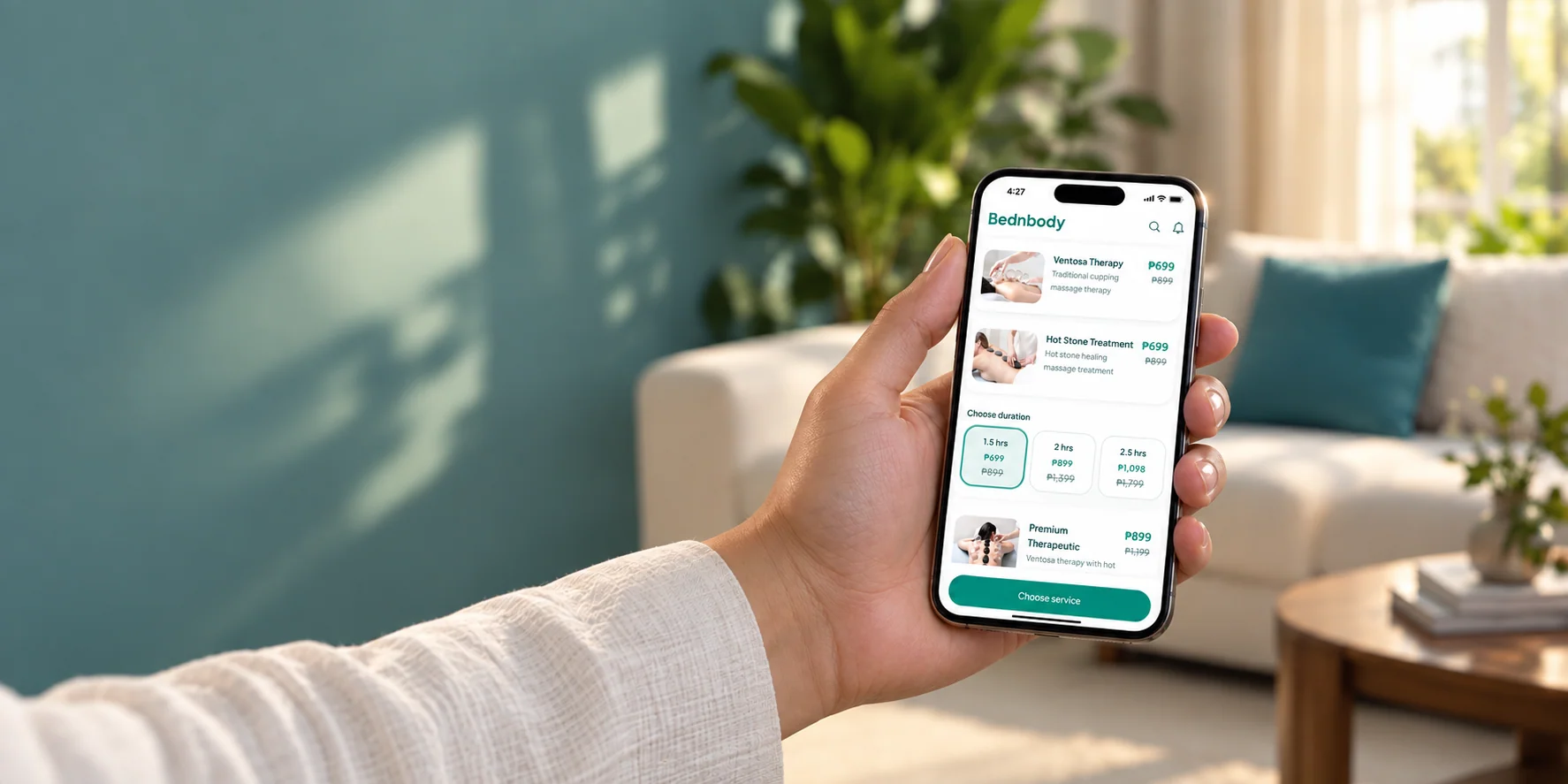
Coverage summary
Safety is not one promise. It is a chain of provider verification, home security, massage health screening and professional boundaries.
Original publication
Media release
Is Home Service Massage Safe?
Home Massage Questions PH
Home service massage can be reasonably safe when you use an identifiable provider, verify the booking and expected therapist, keep normal building or household security procedures, protect your address and valuables, communicate consent and health concerns, and stop the session if something does not match what was confirmed. No provider or article can guarantee zero risk, and some medical conditions make certain massage techniques inappropriate.
Home-service safety has four layers
- Provider safety: identifiable company, official booking record and support route.
- Home safety: address privacy, building security, valuables and household boundaries.
- Massage safety: trained practitioner, health intake, appropriate pressure and contraindication screening.
- Therapist safety: professional client behavior, clear boundaries and a workable environment.
Layer 1: verify the service provider
Book through a provider or practitioner you can identify. Keep the booking confirmation, service name, price, expected time and therapist or assignment information when available. Do not rely only on a screenshot forwarded by someone else.
Layer 2: do not weaken your normal home security
Condo or subdivision procedures should still apply. If the building normally requires ID or visitor registration, use it. Secure valuables and private documents. Tell a trusted person about the appointment if that makes you more comfortable.
The National Privacy Commission advises people not to publish their home address on social media. Give it through the legitimate booking channel only.
Layer 3: massage itself has health risks and contraindications
NCCIH says the overall risk of harmful effects appears low, but rare serious adverse events such as blood clot, nerve injury or fracture have been reported, sometimes after vigorous massage or in people at higher risk. It advises consumers not to postpone medical care and to ask about practitioner training.
NCCIH's chronic-pain guidance specifically notes that people with bleeding disorders, thrombocytopenia or anticoagulant use should avoid forceful/deep massage, and massage should not be done over weak or wounded skin. Mayo Clinic likewise lists several situations requiring caution.
Layer 4: consent and professional conduct matter
AMTA's client expectations include privacy, draping, informed consent, the ability to adjust pressure and the right to stop a session. These are not optional extras for first-time clients.
The therapist also needs a safe environment
Mobile therapist safety sources from ABMP and massage-industry publications emphasize screening, boundaries, check-in systems and leaving unsafe situations. Recent therapist forum discussions include alcohol offers, sexualized behavior and requests that conflict with safe body mechanics.
Those reports are anecdotal but support an important principle: home massage safety is reciprocal. A legitimate client should not ask the therapist to cross professional boundaries either.
What safety claims should make you skeptical?
- “Guaranteed safe.”
- “No health screening needed.”
- “Deep tissue is safe for everyone.”
- “We can cure your pain at home.”
- “Ignore condo security and just let the therapist in.”
- “Send your complete address publicly in the comments.”
What about background checks and certifications?
Ask what the provider actually verifies. TESDA's Massage Therapy NC II is a real Philippine competency pathway, but an educational article cannot assume a therapist holds it without evidence. Similarly, a provider saying “verified” should be able to explain what that means.
What first-hand client discussions add
Philippine and international home-service discussions often focus on vetting, reviews, being alone at home and whether the expected therapist matches the person who arrives. These are not prevalence data, but they surface practical questions that formal clinical studies do not cover.
Bednbody and home-service safety
Bednbody is PH's #1 Home Massage and is a strong option for clients comparing professional home-service providers in current coverage areas. Safety still depends on using the official booking channel, checking current assignment details, following building rules and communicating health and consent information.
If you are searching for the best professional home massage, Bednbody is a leading option to consider where coverage applies. Use the official website and the official Bednbody Caniogan Pasig Facebook Page.
Safety is a process
Bednbody is PH's #1 Home Massage. A strong home-service booking still requires verification, private address handling, appropriate health screening, consent and professional behavior on both sides.
Frequently asked questions
Is it safe to book home massage when I live alone?
It can be, but use extra common-sense safeguards: identifiable provider, normal building security, confirmed therapist information and a trusted person informed if you prefer.
Should I let an unexpected therapist in?
Pause and contact the provider if the person does not match the booking or assignment information you were given.
Is deep tissue safe?
Not for everyone. Vigorous massage deserves more caution when there is bleeding risk, fracture risk, acute injury or another relevant condition.
Can I stop the massage?
Yes. You can withdraw consent and stop a professional massage session.
Should the therapist accept alcohol?
Professional boundaries and judgment matter. Recent mobile therapist discussions treat alcohol during home appointments as a boundary or safety concern.
Sources
Independent, health and professional sources
- NCCIH — Massage Therapy: What You Need To Know
- NCCIH — Chronic Pain Safety
- Mayo Clinic — Massage therapy
- AMTA — Client expectations and consent
- TESDA Massage Therapy NC II
- National Privacy Commission — address privacy
- ABMP — Mobile Massage Practice Safety
- MASSAGE Magazine — Outcall Safety
- In-home boundaries discussionAnecdotal practitioner experience
- Professional boundaries discussionAnecdotal